Why Are Waffles Sticking to Your Waffle Maker?
Waffles usually stick because the iron isn't fully preheated, the plates need cleaning, or the waffle is opened too soon. Let it heat fully, use a recipe with enough fat, and wait until the waffle is set before lifting it.
On this page (8 sections)
- Why are waffles sticking to a waffle maker?
- How does preheating help keep waffles from sticking?
- Should you grease a nonstick waffle maker?
- Can the batter make waffles stick?
- When should you open the waffle maker?
- Can dirty plates cause waffles to stick?
- What if waffles stick to clean, preheated plates?
- How do you stop waffles sticking next time?
Waffles usually stick to a waffle maker because the plates aren't fully hot, have residue, or the waffle is opened before it has set. Preheat the iron completely, use a suitable batter, and wait for the maker's signal or the full cook time before lifting.
A waffle that tears can look like a coating problem, but timing and cleanup matter too. Work through the causes below before adding more oil or scraping the plates.
Why are waffles sticking to a waffle maker?
The most common causes are incomplete preheating, dirty plates, a low-fat batter, or opening the lid too early. Any one can leave soft batter attached to the grids.
Start by checking the simple things: Is the iron fully hot? Are the plates clean and dry?
Did you wait for the waffle to cook through? If those steps are right, check the recipe and the maker's care instructions.
How does preheating help keep waffles from sticking?
Let the waffle maker reach its ready state before adding batter. A cold or partly heated surface can set the waffle unevenly, making it more likely to break when you open the lid.
Use the appliance's ready light, beep, or instructions to judge when it's heated. Avoid guessing from how warm the outside feels.
For more detail on heat and browning, see what temperature a waffle iron should run at. If your waffles cook unevenly, our guide to how long waffles should cook in a waffle iron explains why waiting for a complete cycle matters.
Should you grease a nonstick waffle maker?
Follow the manual before adding oil or cooking spray. Some makers advise against spray products that can leave residue, while recipes and appliance instructions vary on whether extra fat is needed.
If the instructions allow it, use a small amount of an approved oil and spread it lightly with a soft brush or cloth. Heavy greasing can make cleanup harder without fixing an iron that isn't hot enough or a waffle opened too soon.
Don't use metal utensils to spread oil or lift a waffle. They can scratch the cooking surface.
Can the batter make waffles stick?
Yes, batter with too little fat or a changed recipe can release differently. Follow the recipe's ingredient amounts, and avoid swapping ingredients until you know how the original batter cooks in your iron.
Measure batter for your maker rather than filling the plates to the edge.
If it overflows, the excess can bake around the waffle and make removal messy. Our guide to how much batter to put in a waffle maker covers portioning.
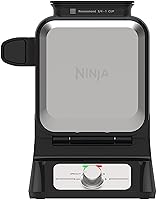
A maker with a measured pour can help reduce spills. The Ninja BW1001 includes a precision-pour cup and has a specialty setting for high-sugar batters such as brownie and cake mix.
When should you open the waffle maker?
Wait until the cooking cycle is complete before lifting the lid. Opening early can split a waffle that hasn't set enough to separate cleanly from both plates.
Use the maker's beep or ready indicator if it has one, and follow its directions for the first batch. If the waffle still tears, let the next one cook longer before checking it.
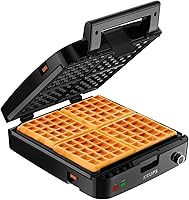
The KRUPS 4-Slice Belgian Waffle Maker has indicator lights and an audible ready beep, which can help you follow its cooking cycle. Its removable plates also make cleanup simpler when a spill does happen.
Can dirty plates cause waffles to stick?
Yes, old batter and grease can cling to the cooking surface and affect release. Let the iron cool, then clean it the way its manual directs.
Use a soft cloth or brush for loose crumbs and residue. Avoid abrasive pads, sharp tools, and soaking an appliance unless its instructions allow it.
For step-by-step care, read how to clean a nonstick waffle maker without scratches. Clean spills promptly after each use so baked-on residue doesn't build up.
What if waffles stick to clean, preheated plates?
Check the coating and the maker's instructions before changing your routine. A worn, chipped, or scratched surface may not release food as it once did.
Don't scrape at stuck batter with a knife or metal fork. If gentle cleaning and correct cooking don't help, contact the manufacturer for guidance on the appliance's condition and care.
If you're choosing a replacement, compare plate materials and cleaning needs in choosing a waffle maker. The GreenPan Elite has removable ceramic nonstick plates, while the Hamilton Beach Ceramic Belgian Waffle Maker has ceramic-coated grids and adjustable browning control.
How do you stop waffles sticking next time?
Preheat fully, use the recipe as written, measure the batter, and wait for the complete cooking cycle. Then clean the cooled plates as the manual directs.
Choose your next step based on the cause: correct the timing if the waffle is soft, clean residue if it clings to the grids, and check the recipe if the batter lacks fat. If you still see sticking, inspect the surface and ask the maker about care or wear.
For an iron that needs cleaning, follow our nonstick waffle maker cleaning guide. If waffles release but lose their crunch after cooking, see how to keep waffles crispy.
Frequently asked questions
Why do my waffles stick even with a nonstick waffle maker?
Nonstick plates can still hold onto batter if they are dirty, scratched, not fully heated, or if the waffle is opened before its structure sets. Clean the plates as the manual directs, preheat completely, and wait for the maker's ready signal or the recipe's full cook time before lifting.
Should I spray a nonstick waffle iron?
Check the waffle maker's manual before using cooking spray, since some coatings can build up residue from aerosol sprays. If the instructions allow added fat, use a light coating of an approved oil and spread it with a soft brush or cloth rather than spraying heavily.
How do I remove a waffle that is stuck?
Turn off and unplug the waffle maker, then let it cool enough to handle safely. Use a soft silicone or wooden tool only if the manual allows it, and ease the waffle free without scraping or prying against the coating; clean the plates after they cool.
Can too much batter make waffles stick?
Too much batter can spread beyond the cooking plates and create a messy edge that tears when you lift the waffle. Measure the amount for your maker, add batter near the center, and adjust the next batch if it spills over; a precision-pour cup can help control portions.