How Much Batter Should Go in a Waffle Maker?
Start with enough batter to cover about two-thirds of the lower grid, then close the lid and let it spread. Use less for shallow plates and add a little more next time if the cooked waffle leaves edges uncovered.
On this page (7 sections)
- How much batter goes in a waffle maker?
- Does the waffle maker's shape change the amount?
- How can you measure batter without making a mess?
- What should you change if batter overflows?
- What if the waffle comes out too small or uneven?
- When should you add batter, and when should you wait?
- What is the simplest way to find the right portion?
Start with enough batter to cover about two-thirds of the lower grid, then close the lid and let it spread. The right amount depends on the waffle maker's plate size and depth, so adjust in small steps if the first waffle comes out too small or spills over.
Pour batter near the center of the lower plate, not all the way to the edges. Keep a little open space around the perimeter because batter can spread as you close the lid.
How much batter goes in a waffle maker?
Begin with about two-thirds coverage of the lower grid. This leaves room for the batter to spread while the waffle cooks.
Treat that as a starting point, not a fixed measurement. A small, shallow iron may need only a modest scoop, while a larger or deeper plate may need more.
Use a measuring cup or ladle so portions stay consistent from one waffle to the next. If your waffle maker includes a measuring cup, start with that amount and follow its instructions.
How much batter should you put in a waffle maker for even coverage?
Use just enough batter to reach most of the plate after spreading. The first waffle shows whether your portion suits that iron.
If the cooked waffle has large bare areas, add a little more batter next time. If batter escapes around the edges, reduce the next portion.
Does the waffle maker's shape change the amount?
Yes. Plate area and depth both affect how much batter fits.
A deep Belgian grid generally takes more batter than a shallow classic grid, but a compact deep plate may need less than a wide classic plate.
A round iron needs an even pour near the center so the batter can spread outward. For square grids, place the portion in the middle rather than trying to fill each corner by hand.
For a closer look at plate shapes and designs, see how to choose a waffle maker. If you use a rotating model, follow its instructions for pouring and closing before turning it.
How can you measure batter without making a mess?
Use the same cup or ladle for every batch, and start below the plate's edge. A measured portion makes it easier to adjust the next waffle without guessing.
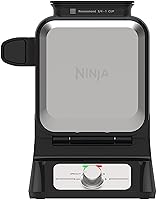
A narrow-spout cup can help direct batter toward the center. The Ninja BW1001 includes a precision-pour cup, which can help you measure and pour a consistent portion.
The Breville Smart Waffle Pro 2-Slice includes a dosing cup, and its no-mess moat is designed to contain batter that strays beyond the cooking plates.
Pour slowly, then close the lid gently. Avoid pressing down hard, which can force batter toward the edges.
What should you change if batter overflows?
Use a smaller portion on the next waffle. Clean any spill only after the waffle maker is unplugged and cool, and follow its care instructions.
A spill can mean the portion was too large, but batter consistency and how quickly the lid closes can also affect where it goes. Change one thing at a time so you can see what helps.
If batter keeps escaping, try a slightly thicker batter or pour more slowly. For help with residue and release, read why waffles stick to a waffle maker.
The Breville No-Mess Waffle Maker has a moat designed to keep spills under control. It makes one classic waffle, so use a measured portion and adjust it to the plate rather than assuming every waffle maker needs the same amount.
What if the waffle comes out too small or uneven?
Add a little batter if the cooked waffle leaves large parts of the grid uncovered. If it is uneven, check that the portion starts near the center and that the maker sits level.
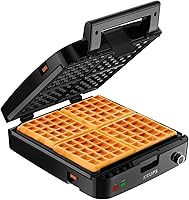
The Cuisinart 4-Slice Square Belgian Waffle Maker makes four 1-inch-thick Belgian-style waffles. Its square plate and deep pockets call for an even pour across the grid, with room left for spreading.
Make one adjustment at a time. A small increase is easier to manage than a large extra scoop that creates overflow.
When should you add batter, and when should you wait?
Add batter only when the maker is ready for another waffle. Follow the appliance's ready indicator or instructions, and let the plates return to the proper cooking temperature between batches if needed.
Don't add extra batter midway through cooking to fill an open corner. That can leave uncooked batter on top or cause uneven results.
Cook time and heat also affect the finished waffle. See how long waffles should cook in a waffle iron for timing guidance, then use how to keep waffles crispy after cooking if you are serving a batch.
What is the simplest way to find the right portion?
Start with about two-thirds of the lower grid covered, close the lid gently, and check the first waffle. Use slightly less if batter escapes, or slightly more if large areas remain uncovered.
For a more consistent pour, choose a measuring cup or a waffle maker that includes one. The Ninja BW1001 and Breville Smart Waffle Pro 2-Slice both include a cup for measuring batter.
Use the same portion once you find a good fit, and keep the maker's cooking and care instructions nearby. When you're choosing an iron, compare waffle maker plates, sizes, and features.
Frequently asked questions
How much batter should I put in a waffle maker?
Start with enough batter to cover about two-thirds of the lower grid, then close the lid and let the batter spread. The right amount depends on the plate's size and depth, so check the maker's instructions if available.
Add a little more next time if the waffle leaves large bare areas.
Should waffle batter cover the whole plate?
Usually, no. Batter expands and spreads as the lid closes, so covering the whole grid before cooking can push batter over the edges.
Begin near the center, leave room around the perimeter, and adjust by a small amount after seeing how your waffle cooks.
How do I stop batter from overflowing a waffle maker?
Use a measuring cup or ladle and start with less batter than you think the plates need. Pour it near the center, close the lid gently, and let the batter spread.
Reduce the next portion if batter reaches the edges or escapes through the sides.
Does a Belgian waffle maker need more batter?
A deep Belgian grid often needs more batter than a shallow classic grid because its pockets are thicker, but plate size also matters. Use the maker's recipe or measuring cup when available, and adjust gradually rather than filling the grid to its rim.