Choosing a Waffle Maker: Plates, Size, Flip and Care
Choose a waffle maker by the waffles you want, how many you cook at once, and how you plan to clean it. Plate depth, controls, removable parts and counter space matter more than a long feature list.
On this page (8 sections)
- Which waffle maker features matter most?
- What plate style suits your waffles?
- How much waffle maker capacity do you need?
- Is a flip waffle maker worth choosing?
- What controls help you get the waffle you want?
- How should you think about cleanup and plate care?
- How do size and storage affect your choice?
- Which waffle maker fits your routine?
Choose a waffle maker by waffle style, batch size and cleanup needs. Deep plates suit thick Belgian-style waffles, a multi-slice iron can cook more portions in one round, and removable plates may simplify care.
Think about where you will store it, too. A large appliance or a rotating handle can need more room than its cooking surface suggests.
Which waffle maker features matter most?
The most useful features are the ones that fit your cooking routine: plate shape and depth, capacity, browning control and cleaning access. Decide which of those will change how you make breakfast before comparing extra settings.
| Feature | What it affects | Check before choosing |
|---|---|---|
| Plate style | Waffle thickness, shape and pocket depth | Whether you prefer thin or deep waffles |
| Capacity | Portions made in one batch | How many people you usually serve |
| Browning control | How much you can adjust the shade | Whether settings are clear and easy to use |
| Flip design | How batter moves through the plates | Room to rotate the handle and appliance |
| Removable plates | How easily you can reach the cooking surfaces | Care instructions and how plates detach |
| Size and storage | Counter space and put-away options | Outside dimensions, cord storage and handle position |
A simple iron may be enough if it fits your preferred waffle and makes cleanup easy. Extra controls are useful when they address a need, such as choosing a lighter or darker finish.
What plate style suits your waffles?
Choose plate depth and shape based on the waffles you like to eat. Deep Belgian-style plates make thicker waffles with larger pockets, while classic plates make thinner waffles.
Belgian-style or classic plates?
Belgian-style irons suit you if you want a thicker waffle with deep pockets for toppings. Classic irons make thinner waffles and may suit recipes or serving styles that do not call for as much height.
The terms can vary across product names, so look for a clear description of the plate shape and waffle style. Our guide to classic waffle makers for thin waffles explains what to look for in a regular, non-Belgian iron.
Consider how the waffle will be served. Deep pockets can hold toppings, while thinner waffles may be easier to stack or serve in smaller portions.
Round or square plates?
Round plates often make one large waffle, while square multi-slice plates can divide a batch into several portions. Shape is mostly a serving preference, but it can affect how easily you portion waffles for a group.
Check how the maker describes the finished waffle and how many it cooks at once. “Four-slice” can mean four sections in one larger waffle, so confirm whether that matches the way you plan to serve breakfast.
How much waffle maker capacity do you need?
Choose capacity based on how many waffles you need per sitting and how long you are willing to cook in batches. A single-waffle iron can suit one or two people, while a four-slice model can help when several people eat together.
A larger cooking surface can take more counter space and may be harder to store. Compare the appliance dimensions with your kitchen before treating capacity as an automatic advantage.
If everyone wants a waffle at once, prioritize the number of portions produced per round. For occasional use or a smaller household, a compact single-waffle model may be easier to place and put away.
Do you need a single or multi-slice iron?
A single-waffle maker works well when you usually cook one waffle at a time. A multi-slice iron may save rounds when you serve several people, though the whole appliance can be wider.
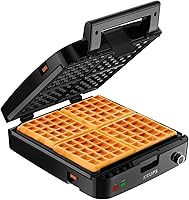
The KRUPS 4-Slice Belgian Waffle Maker has deep pockets and a steam-release system, according to its product description. That combination may suit a household that wants several thick waffles in one batch.
Compare the outside dimensions with your counter and cabinet space. You can also read our guide to double and 4-slice waffle makers for more on cooking several portions at once.
Is a flip waffle maker worth choosing?
A flip waffle maker suits you if you want to rotate the iron after pouring batter. Turning the maker moves batter through the plates, but the handle needs clearance and you must be comfortable rotating a hot appliance.
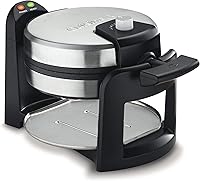
The Cuisinart WAF-F30NAS has a 180-degree rotary handle, five browning settings, indicator lights and an audible alert. Its removable stainless steel drip tray catches stray batter, while the ceramic nonstick plates are wiped clean with a damp cloth.
A fixed iron may be a better fit if your counter is crowded or you prefer not to turn the appliance during cooking. Learn why some Belgian waffle makers flip before deciding which design feels practical for your kitchen.
What controls help you get the waffle you want?
Browning controls help you choose a lighter or darker finish, while alerts can tell you when the iron is ready or a waffle is done. They guide the process, but you should still follow the appliance's instructions for preheating and cooking.
A small number of clearly labeled settings may be easier to use than controls you do not need. If several people have different preferences, adjustable browning can help you make waffles to suit them.
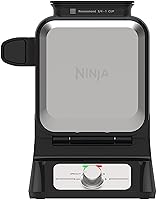
The Ninja BW1001 has a vertical design, a precision-pour cup and an interior described as making 1-inch Belgian waffles. Its five shade settings give you options from soft and fluffy to crisp, based on the brand's description.
For more ways to adjust browning, read what temperature a waffle iron should run at. The right heat can depend on the recipe and appliance, so use the maker's guidance for your model.
How should you think about cleanup and plate care?
Choose a waffle maker with a cleaning routine you will follow. Removable plates can give you better access to the cooking surfaces, while fixed nonstick plates need careful wiping after the appliance cools.
The KRUPS is one option if removing the plates matters to you. Check the care instructions for the plates before washing them, and avoid assuming that a removable part can go in a dishwasher unless the manufacturer says so.
For a fixed-plate model, use a soft cloth or other method recommended for its surface. Avoid sharp or abrasive tools that could damage a nonstick coating.
Read our guide to cleaning a nonstick waffle maker without scratches for a step-by-step care routine. If waffles stick, check common causes and fixes before blaming the coating.
Are removable plates worth it?
Removable plates are worth considering if you want to take the cooking surfaces out for cleaning. They add a step when you remove and reinstall them, so weigh that against how often you cook waffles and how easy it is to wipe a fixed plate.
The Breville BWM640XL has four batter-type settings, 12 color settings, an LCD indicator and a timer that starts when the lid closes. Its moat is designed to help contain batter, which may matter if spills are a concern.
Its plates are not described as removable in the product details here. If removing plates is a priority, compare it with the KRUPS 4-slice waffle maker with removable plates.
How do size and storage affect your choice?
Check the appliance's outside dimensions, opening space and storage plan before choosing. A maker that fits the counter may still be awkward if the lid needs room to open or a handle sticks out in a cabinet.
Measure the intended storage spot and the path to it. Account for the appliance's shape, cord and handle, then decide whether it will stay on the counter or be put away after use.
Vertical storage can help with some shapes, but do not assume every model can be stored upright. Follow the manufacturer's instructions for storage and keep the appliance dry and cool before putting it away.
Which waffle maker fits your routine?
The best fit depends on how you cook and clean, rather than the number of features on the box. Choose deep plates for thick waffles, more slices for group breakfasts, a flip design if you like rotating the iron, and removable plates if access for cleaning is a priority.
For a closer look at top options, browse our best waffle irons for home kitchens. If you want a rotating design, compare best rotating waffle makers before you decide.
Frequently asked questions
What should I look for when buying a waffle maker?
Start with waffle style, batch size and cleaning needs. Deep Belgian plates suit thicker waffles, while a multi-slice iron can cook several portions at once.
Check the controls, whether plates detach, the appliance dimensions and how much counter or storage space you have.
Is a flip waffle maker better?
A flip waffle maker rotates after you pour, which moves batter through the plates as it cooks. It can suit you if you prefer that cooking method, but it also needs room to turn.
A fixed iron may be simpler if counter space is tight.
Are removable waffle maker plates worth it?
Removable plates can make cleaning easier because you can take them out, but check the care instructions before washing them. Fixed plates can still be manageable if the coating releases food and you can wipe the cooking surfaces without reaching into hard-to-clean gaps.
How much counter space does a waffle maker need?
Compare the appliance's outside dimensions with your counter and storage spot, then leave enough room to open the lid and pour batter safely. A rotating model also needs room to turn.
Measure cabinet height and the space around the outlet before choosing.
How do I keep waffles from sticking to the iron?
Preheat the waffle maker fully, use batter suited to its plates and wait until the waffle is cooked before opening the lid. Avoid scraping nonstick surfaces with metal tools.
If sticking continues, see our guide to why waffles stick to a waffle maker.