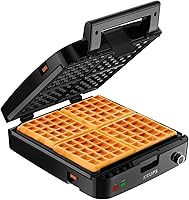
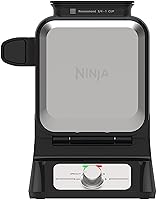
Can You Cook Eggs in a Waffle Maker?
Yes, you can cook eggs in a waffle maker. Scrambled eggs, omelet-style eggs and even eggs cooked in a hollow in the batter all work on the plates, though the shape and texture come out different from a skillet.
On this page (11 sections)
- How do eggs cook on waffle maker plates?
- Which egg styles work in a waffle maker?
- How long do eggs take in a waffle maker?
- How do you keep eggs from sticking to the plates?
- Can you cook eggs in waffle batter?
- Which waffle maker settings suit eggs?
- How do you make an omelet in a waffle maker?
- How do you clean a waffle maker after cooking eggs?
- Is cooking eggs in a waffle maker safe?
- Can you make hash browns and eggs in the same waffle maker?
- What should you know before your first egg cook?
Yes, you can cook eggs in a waffle maker. Scrambled eggs, omelet-style eggs and eggs baked into a hollow in the batter all work on the plates, though the shape and texture come out different from a skillet.
The key is to preheat the plates, grease them lightly, and watch the eggs closely because waffle makers run hot and cook fast.
Eggs are one of the easiest extras to make in a waffle maker once you know how the plates treat them. The closed lid cooks both sides at once, so the egg sets evenly and you get a flat, patterned piece that fits neatly in a breakfast sandwich.
How do eggs cook on waffle maker plates?
Eggs cook by direct contact with the hot plates and steam under the closed lid. Both sides set at the same time, so the egg turns firm and slightly browned rather than fluffy and folded like a pan omelet.
The pattern comes from the grid. Plain beaten egg settles into the grooves and cooks into a thin, waffled sheet.
If you pour batter first and make a hollow in it, the egg stays thicker and bakes into the waffle as one piece.
Heat is the main difference from a skillet. Waffle makers hold a steady temperature and cook from both sides, so scrambled eggs can turn rubbery if you leave them too long.
Start with a short cook and add time in small steps.
The nonstick surface matters too. A waffle maker with ceramic coating releases eggs more cleanly than a worn or plain plate, which keeps the cleanup simple.
Which egg styles work in a waffle maker?
Scrambled eggs, omelet-style eggs and eggs baked in a batter hollow all work. Each gives a different result, so pick the style that matches what you want on the plate.
Scrambled eggs spread thin and cook into a flat, patterned sheet. Omelet-style eggs set into a firm layer that you can fold over fillings.
An egg in a batter hollow gives you a thicker, softer center inside the waffle.
A plain egg with no batter is possible too. It spreads across the plates and cooks into a flat piece that suits a sandwich, though it won't look like a fried egg.
Boiled or poached styles don't translate. The plates can't hold enough water for poaching, and there's no pot for boiling.
Stick to the styles that set on a flat, hot surface.
How long do eggs take in a waffle maker?
Scrambled or omelet-style eggs usually need 3 to 5 minutes on a preheated waffle maker. The exact time depends on the model, the browning setting and how much egg you pour.
Thin scrambled egg sets quickly. A thicker pour or added fillings need more time.
Open the lid after 3 minutes and check whether the center is firm before adding more time.
The general timing rules in our guide to how long to cook waffles in a waffle iron carry over to eggs. Preheat first, keep the lid closed while cooking, and let the plates come back up to heat between batches.
Eggs baked into batter follow the waffle's own bake time. Don't shorten it for the egg, or the batter won't set around it.
How do you keep eggs from sticking to the plates?
Preheat the plates and grease both sides lightly before the egg goes on. A thin coat of cooking spray or oil is enough, and it works better than adding fat to the egg itself.
Wipe the plates with a paper towel and a little oil before each batch. Skip butter on very hot plates, since it can brown and leave a sticky film.
Don't pour egg onto cold plates. A cold surface grabs the egg before the nonstick layer can release it.
Let the ready light come on first.
Pour a modest amount and keep it inside the plate edges. Overflow runs into the hinge and bakes on, which is harder to clean than a little egg in the grooves.
If eggs keep sticking even with grease, the plates or the coating may be the cause. Our guide to why waffles are sticking to your waffle maker covers the usual fixes, and they apply to eggs too.
Can you cook eggs in waffle batter?
Yes. Crack an egg into a hollow in the poured batter and close the lid.
The egg bakes along with the waffle, so you get a soft center inside a crisp shell in one pass.
Pour the batter first, then make a shallow well with the back of a spoon. Crack the egg into the well and close the lid gently so the batter doesn't spill over.
Use a whole egg for a runny or jammy center, or beat it first for a firmer set. Add cooked bacon or cheese around the hollow, not on top of the raw egg.
The egg cooks for the same time as the waffle. Check that the white is firm before you lift the lid for good.
This method suits a Belgian-style plate with deeper grooves. A shallow plate gives less room for the egg and the batter together.
Which waffle maker settings suit eggs?
Use a medium browning setting and a preheated plate. High settings brown the outside of the egg before the middle sets, while low settings leave it pale and soft.
Check your model's settings first. A browning dial set in the middle gives the most even cook for eggs and batter alike.
Keep the lid closed for the first few minutes. Opening it early lets steam escape and slows the set.
If your model has a specialty setting for high-sugar batters, leave it off for eggs. That setting runs hotter and can scorch a plain egg.
How do you make an omelet in a waffle maker?
Pour beaten eggs onto the greased, preheated plates, add small precooked fillings, and close the lid. The egg sets into a firm layer you can fold, and the grid marks hold the fillings in place.
Beat two or three eggs with a pinch of salt. Pour them in and spread them to the edges with a spatula.
Scatter grated cheese, cooked ham or diced peppers over one half. Keep the pieces small so the lid closes flat.
Cook for 3 to 5 minutes, then fold the plain half over the filled half with a spatula. Lift the omelet out and serve it hot.
Raw or watery fillings can leave a wet center, so cook vegetables and meat first. Drain any liquid before it goes on the plates.
How do you clean a waffle maker after cooking eggs?
Let the plates cool, then wipe them with a damp cloth and mild soap. Egg cleans up easily on a nonstick surface if you don't let it bake on for hours.
Don't plunge hot plates into water. The sudden change can damage the coating.
Wait until the maker is cool to the touch.
Use a soft sponge or cloth, not a scouring pad. A scraper can lift set egg from the grooves if the cloth won't reach.
Wipe the outside and the hinge area too. Egg that drips into the hinge can harden and make the lid stiff.
Dry the plates fully before closing the lid for storage. Trapped moisture on a nonstick coating can affect how it releases food next time.
Is cooking eggs in a waffle maker safe?
Yes, as long as the eggs are fully cooked and the plates are cleaned afterward. Raw egg on the plates is the main risk, so cook until the white and yolk are firm and wash the surface after each use.
Cook eggs to a firm set, especially for children, older adults and anyone with a weakened immune system. The closed lid helps the top and bottom cook at the same rate.
Don't leave raw egg sitting on warm plates. Pour, close the lid and cook straight away.
Unplug the maker before cleaning it. Water and live heat don't mix, and the plates stay hot for a while after the power is off.
Can you make hash browns and eggs in the same waffle maker?
Yes. The same plates handle both, and the two cook in similar ways.
You can also make hash browns in a waffle maker and cook the eggs on the second plate or in a second batch.
Cook the hash browns first if you want them crisp, then keep them warm while the eggs cook. Wipe the plates between batches so the egg doesn't pick up potato residue.
Don't stack raw potato and raw egg in the same pour unless you're baking them together in batter. Cook each one through on its own.
If your model has removable plates, take them out for a faster wash between the two. Fixed plates just need a wipe once cool.
What should you know before your first egg cook?
Start with scrambled egg on a medium setting and a lightly greased plate. It's the most forgiving style and shows you how fast your model cooks.
Pour less than you think. Egg spreads across the plate, so a small amount fills the grid without spilling into the hinge.
Watch the first batch closely and note the time. Once you know your waffle maker's pace, omelets and baked eggs become easy to time.
Keep the lid closed while the egg sets, and open it only to check doneness. A peek every minute slows the cook and lets heat out.
So can you cook eggs in a waffle maker? Yes, and the plates do a steady, even job on scrambled eggs, omelets and eggs baked into batter.
Preheat, grease and keep the batches small, and eggs become a quick addition to waffle mornings.
Frequently asked questions
Do you need to grease the waffle maker for eggs?
Yes. A light coat of cooking spray or oil on both plates keeps eggs from bonding to the surface, and nonstick or ceramic-coated plates release eggs more easily than plain metal.
Can you make an omelet in a waffle maker?
Yes. Pour beaten eggs onto the preheated plates, add your fillings, close the lid and cook until set.
Keep the fillings small and precooked so the egg sets evenly and nothing raw ends up in the middle.
Is it safe to cook raw eggs in a waffle maker?
Yes, as long as the eggs reach a safe internal temperature and the plates are cleaned afterward. Cook eggs until the whites and yolks are firm, and wipe the plates clean once they cool so no raw egg stays on the surface.